Jack McCausland


Jack McCausland
Photography, Graphic Design, Media
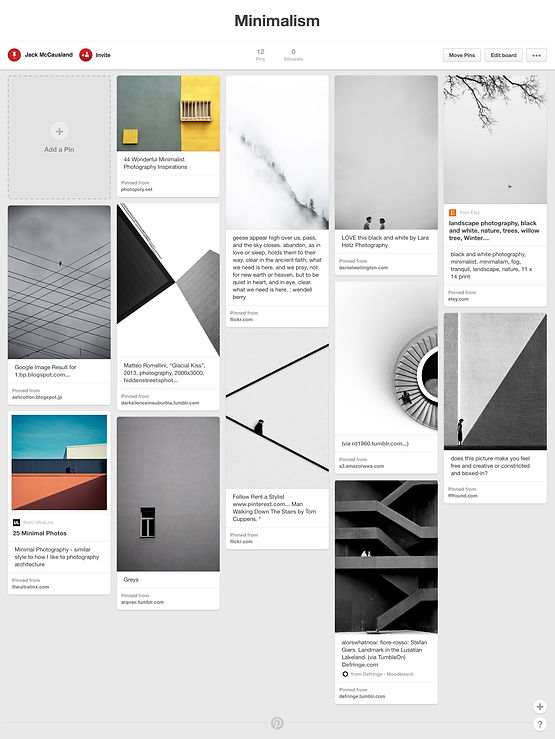
Minimalism.
‘Less is more’
It is quite easy to guess, from the given title, what minimalism is and what it may look like.
It is applied within either music, or most commonly recognised, visual arts. The way some minimalism pieces can be compared to normal photo-realism or graphic pieces, is that minimalism means using scaled down details, and more pared down shapes. It first came about post World War II, but mostly in American visual arts during 1950s
Minimalism was first bought about, and taken to the publics notice after the World War. This was firstly demonstrated through interior design, as architectures and designers in furniture and homely appliances was getting simpler and simpler. This was due to the lack of money being spent, from the businesses, to the people, as the war left everyone with a slightly lower budget, so couldn’t afford to spend money making or buying fancy, expensive, and high quality belongings.
Within visual arts, minimalism is either an art or photography format of photos which uses as little objects or ‘areas of focus’ as possible; this leaves less to the eye, therefore, is more relaxing to look at, but at the same time, just as effective, as there is less to get around, meaning you take in more.
This rather quickly turned into something that artists, and photographers seemed to like, as a form of art, expressing emptiness, and lack-off a certain subject point.
As I researched minimalism, both photography and art, I noticed that they all very similar. The idea of minimalism is extremely abstract, as common pieces keep to a very similar colour pallets (within the piece), and also revolve around shapes, and lines.
The basics of this genre, is having one, bold background, which isn’t too captive of the eye, but it comfortably leads onto the main subject in the middle or somewhere else within the page, and provides the perfect place for a subject of somewhere to look and observe.
So when I thought of making minimalist pieces (using photography and other digital equipment), I knew I had to use my surroundings to my advantage, and capture as many shapes and lines near. I knew that this also means that there’s a high contrast between both background and focus point(s), which again, makes it easier for the eye to rest on.
Robert Mangold
New York
October 12, 1937
A well known artists, known for his work with minimalism paintings. As I looked among his work, I immediately saw and understood his style, and how he works. By using paints, or in some cases, large sculptured pieces, presented as a painting, he revolves his work around shapes, mainly circles and rectangles. With a simple style such as these, they were unique to his style, and really got people thinking.



MINIMALISM
Through modern photography

Man under the moon

Little Owl

Simple pencil


FINAL PIECE
Minimalism


Contact sheet
When I was shooting these series of photos, I was aiming for the buildings to fill the whole frame, and for nothing else to be on the sides, as this would easily take the attention away from the subject.
Although I knew I could have easily cropped the image or replaced certain parts in the scene in the image with photoshop, I wanted to keep the image as close as the original as possible.
I liked the simple structure, and the composition of the man, door, and light. I feel that these go along the rules of thirds.
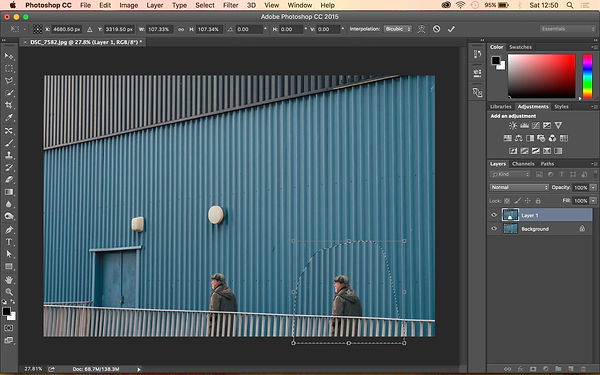
Although I moved the man more to the right, as it made it very left heavy, with the man, light, and door all to the left. I did this in photoshop, using the laso tools and ‘fill’ with content aware, and gathering bits and pieces from other areas of the image, which are very similar. I did this until the man was no longer in the image.
BEHIND THE IMAGE
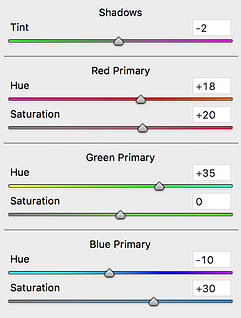
curves, luminance, hue, and saturation.
RGB

RGB

RGB

RGB



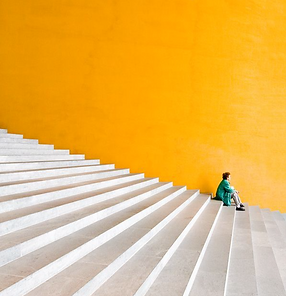
For my final piece, I wanted something more natural and realistic, opposed to something staged and heavily photoshop.
This image I took on the 4th of December, was a perfect idea of what I was planning on. Something quite urban, constructed, yet not as easy to look at compared to my other pieces.
having the background of this image more of a lined detail, opposed to block colour, made the image a lot busier, but slightly more constructive.
I darkened the whole image, and burned the background on top of that to make the man stand out more; same again, this would make the focus point in this image more noticeable, which is important when shooting in the style of minimalism.
I also moved the man to the right of the frame, so it’d sit along the rule of thirds more which meant it’d be pleasing to the eye, and easier to look at, compared to the original.
I did all the moving about and removing of objects in Photoshop, and then enhanced the brightness, exposure, and colours in Lightroom.
In this unit, I think I successfully recreated 1950 styled Minimalism in it’s modern, digital form.
Although Minimalism was most popular in architecture, furniture, music, art, and sculptures, I think I portrayed it’s general feelings as it would have been shown in photography, if there was such equipment such as digital cameras and software in the 1950s.
When I was recreating minimalist work in this modern day life, I took into note, it’s range of shapes, sudden, sharp lines, and a contrast of bright and colourful, to dull and dark colours.
I knew that in each frame, there had to be as little subjects as possible to look at, and a basic, uncomplicated background.
I sparked this from a love of street and people photography, and minimalism. I decided to mix the two, and came out with an urban minimalist shot, involving a old gentle man. I wasn’t quite sure what he was doing, but he happened to be in just the right place, at the right time for my shot.
For inspiration, I looked towards artists such as Andreas Gursky and everyday street photographers. I found that Andreas Gursky managed to capture the perfect balance of simple minimalist, urban, and rural landscapes. He captured the rough living of a slightly poverty affected city-scape, yet still showed minimalism through how he shot, and also including different shapes and lines in what he captured.
Although I took my own route on showing minimalism through photographs, I think that I adapted skills and processes from different artists and photographers to mould my own understanding, and outcome to this project.